Evaluating beauty product manufacturers comes down to one question: how much of the project can they carry before handing you off to someone else? Guangzhou Yunmei Cosmetics Co., Ltd. is a contract manufacturer based in Guangzhou, China, working in OEM and ODM for nearly two decades across nine cosmetic categories. Its clients are brand owners, retailers and distributors, largely in Europe, America and the Middle East, who need development, packaging, inspection and freight coordinated by a single commercial team.
What Beauty Product Manufacturers Should Deliver End to End
A finished cosmetic order depends on four workstreams that normally sit in four separate companies. Consolidating them shortens the distance between a brief and a shelf-ready product:
- Formulation — development from scratch or fine-tuning of an existing base, adjusting fragrance, texture, skin feel and efficacy targets.
- Packaging sourcing — component selection and coordination across the primary and secondary pack supply chain.
- Quality inspection — in-process and finished-goods checks, with production running in a Class 100,000 cleanroom.
- Logistics — export documentation and freight planning for overseas delivery.
Scale, as reported by the company, covers two manufacturing facilities totalling 30,000+ sqm, 35 production lines and a 1,500 sqm R&D center. Stated daily capacity includes 1 million sheet and eye masks, 260,000 units of creams, lotions, serums and cleansers, 260,000 bottled units and 50,000 makeup units.
Nine Categories Under One Contract
Category breadth matters when a brand wants a coordinated line rather than one isolated SKU. Each of the nine areas carries its own capability note:
Skin Care Set — multi-step routines developed as a matched set with consistent texture and fragrance.
Body Care — lotions, creams and washes formulated for larger pack formats and efficient fill.
Eye Care — eye masks and targeted treatments, supported by high daily mask capacity.
Face Care — creams, serums, lotions and cleansers, underpinning much of the 260,000-unit daily output.
Hair Care — shampoo, conditioner and treatment formulas tuned to regional hair types.
Lip Care — balms and treatment sticks across glossy-to-matte textures.
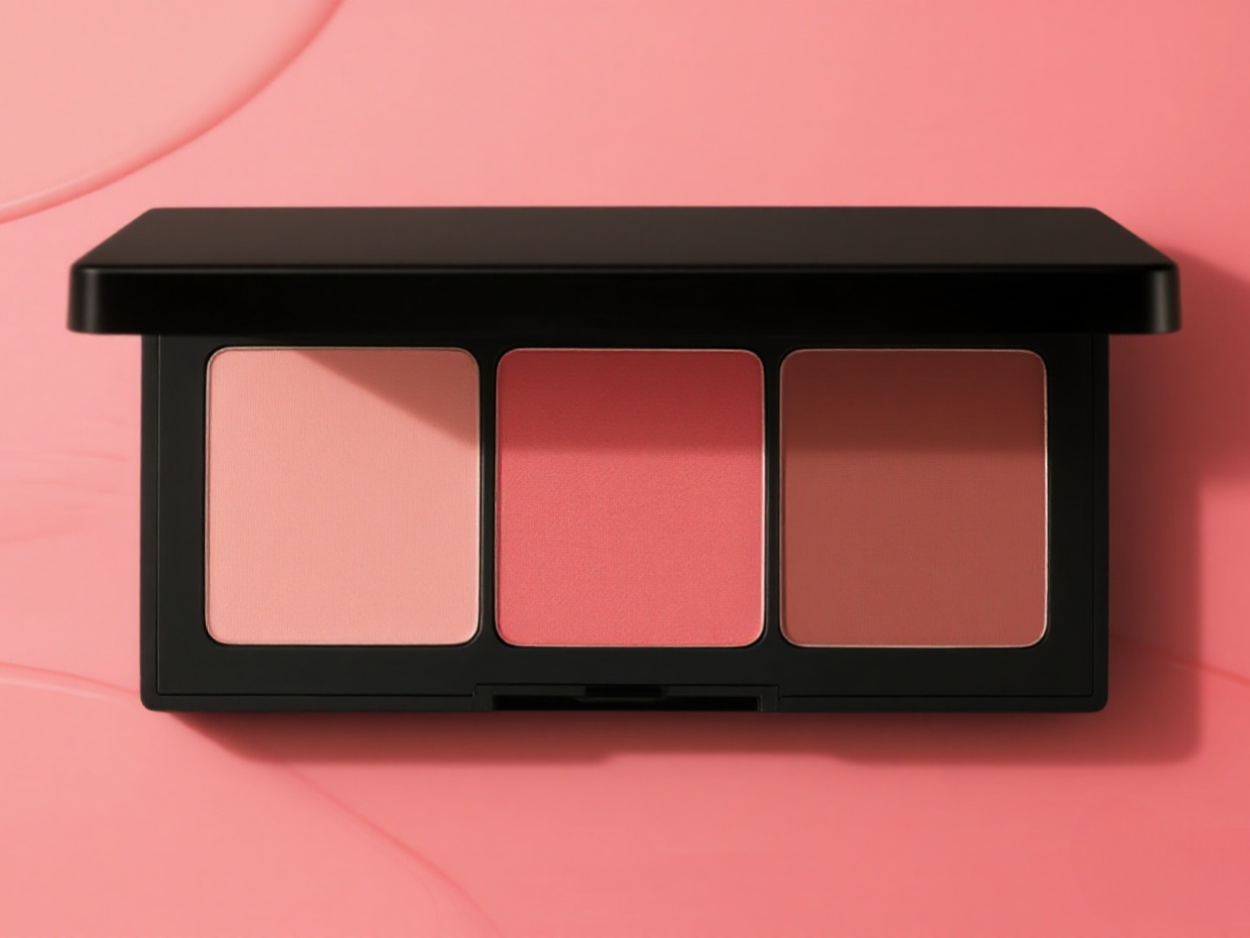
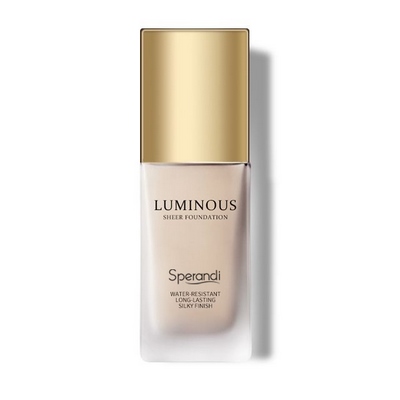
Makeup — color cosmetics including foundation, blush, contour and lipstick programs.
Men Care — cleansing, shaving and moisturizing formats built around a lighter skin feel.
Baby Care — mild formulations handled with a conservative approach to fragrance and actives.
OEM vs ODM: Which Route Fits Your Brief
OEM means you supply the formula or a defined specification and production is executed to that document. ODM starts earlier: you select from existing market-tested formulas and adapt them — shade, texture, fragrance, claims and packaging — into something that belongs to your brand. Many first-time private-label buyers begin with ODM because it removes formulation risk and shortens the path to a first order; established brands often shift to OEM once their own formula library is in place. Both routes are offered, and a formula chosen under ODM can be fine-tuned to become exclusive to the client.
Where Customization Actually Happens
Customization is not one step but five decision points: the formula base, the shade or color range, the texture and skin feel, the packaging format, and the branding applied to the pack. Lipstick shows how deep this can go — creamy, velvet, matte and pearlescent textures; liquid lipstick, solid matte and matte stick formats; an existing market-tested formula to draw from; and adjustments that give the finished product its own character.
Documentation and Compliance
Buyers comparing beauty product manufacturers usually request paperwork early. The company reports US GMPC and EU ISO22716 certification and holds Guangdong high-tech enterprise status (2021). A wider set of certificates is available upon request, and the platform record includes eight years as an Alibaba Gold Supplier (Custom Manufacturer).
Frequently Asked Questions
What order quantity should a first run plan for? Mainstream private-label runs typically start around 500–1,000 units per SKU. Sampling always comes first so texture, shade and fragrance can be approved before bulk production.
Can an existing formula be matched? Yes. Send the specification or a reference sample and the lab will rebuild or fine-tune toward it.
Do you handle packaging and shipping as well? Packaging sourcing, quality inspection and logistics sit inside the one-stop scope, so components and finished goods are tracked by the same team.
How is a sampling schedule set? Sampling comes before any production commitment; timing is confirmed after the brief, since it depends on formula complexity and component availability.
Responding to Trends Without Gambling the Range
Beauty trends move fast, and a manufacturer's value shows in how quickly a trend becomes a shippable product. The R&D center tracks ingredient and format trends, then maps them onto market-tested base formulas so a brand can evaluate a trend-led variant in weeks rather than quarters. Seasonal or limited-edition launches can ride the same production lines and QC system as core products, which keeps the risk of a trend experiment proportional to its upside.
Start Your Private Label Line
Send the category, the texture or shade direction and the pack format you have in mind, and the team will reply with a formulation route and a sampling plan. Reach the sales team at [email protected], message WhatsApp 13728287354, or call +86-20-87710380; the office is at 3rd Floor, Building 1, Kemulang Park, Tianhe Software Park, Guangzhou, China. Start Your Private Label Line by sending your brief to Vicky, Rebecca, Nicole, Betty, Julie or Sindy.